Borneo: The Most Fascinating Facts About a Wild and Ancient Island
Borneo is a dream destination for anyone who loves nature, wildlife, and adventure. With ancient rainforests, rare species, towering mountains, and vibrant cultures, it’s one of the world’s most captivating islands. Shared by Indonesia, Malaysia, and Brunei, it offers an incredible mix of biodiversity and human history. Below are the most interesting facts that reveal what makes Borneo so unique.
Mount Kinabalu: The Roof of Southeast Asia
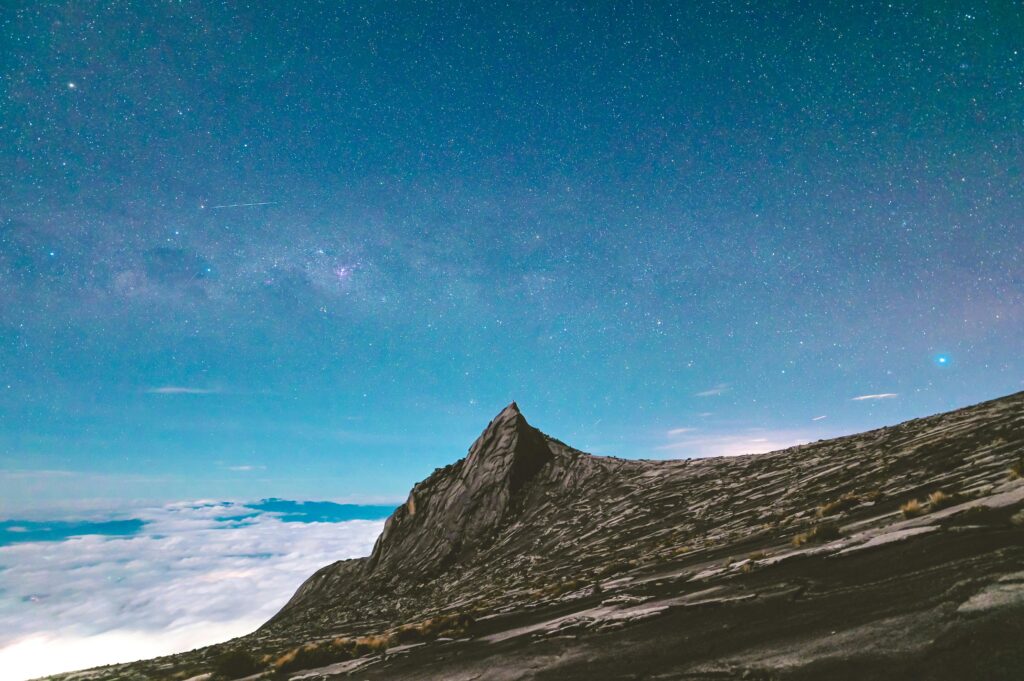
The highest peak in Southeast Asia, Mount Kinabalu, towers at 4,095 meters above sea level on Borneo’s northwest coast. Most visitors summit the mountain in a two-day trek, reaching the top at sunrise to witness breathtaking views above the clouds.
To local communities, the mountain is sacred. Out of respect for local beliefs, climbers are expected to behave modestly at the summit—a rule highlighted in 2015 when several tourists were fined and deported for posing nude on the peak.
One of the Oldest Rainforests on Earth
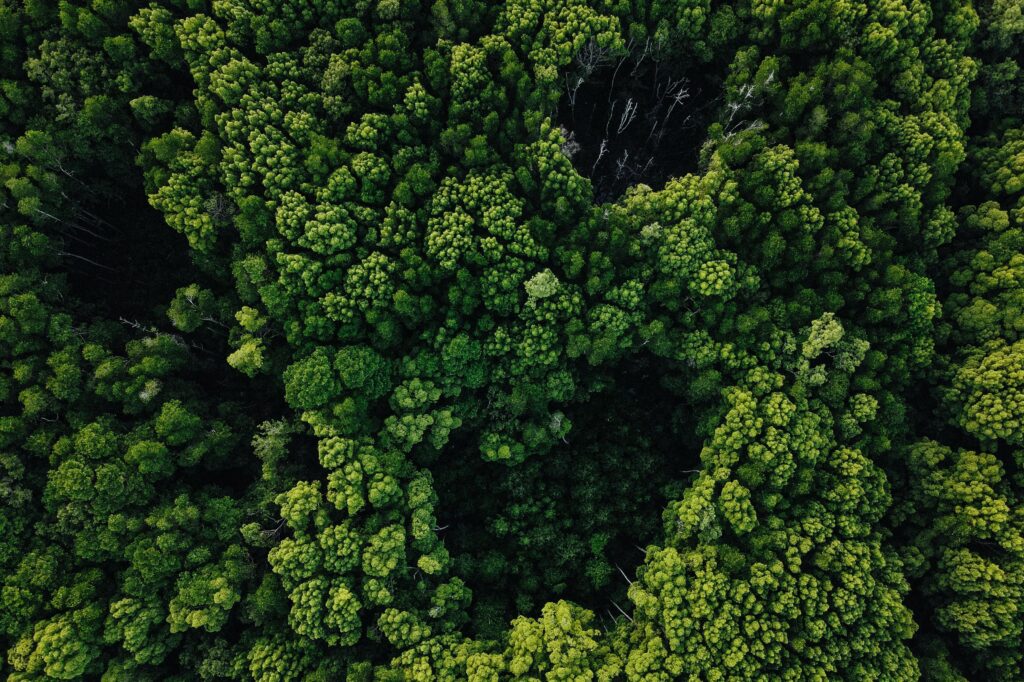
Borneo’s rainforest is around 140 million years old, making it one of the most ancient ecosystems on the planet. Unfortunately, large areas were logged or cleared in the 1980s and 1990s for palm-oil plantations, and deforestation still threatens the island’s biodiversity.
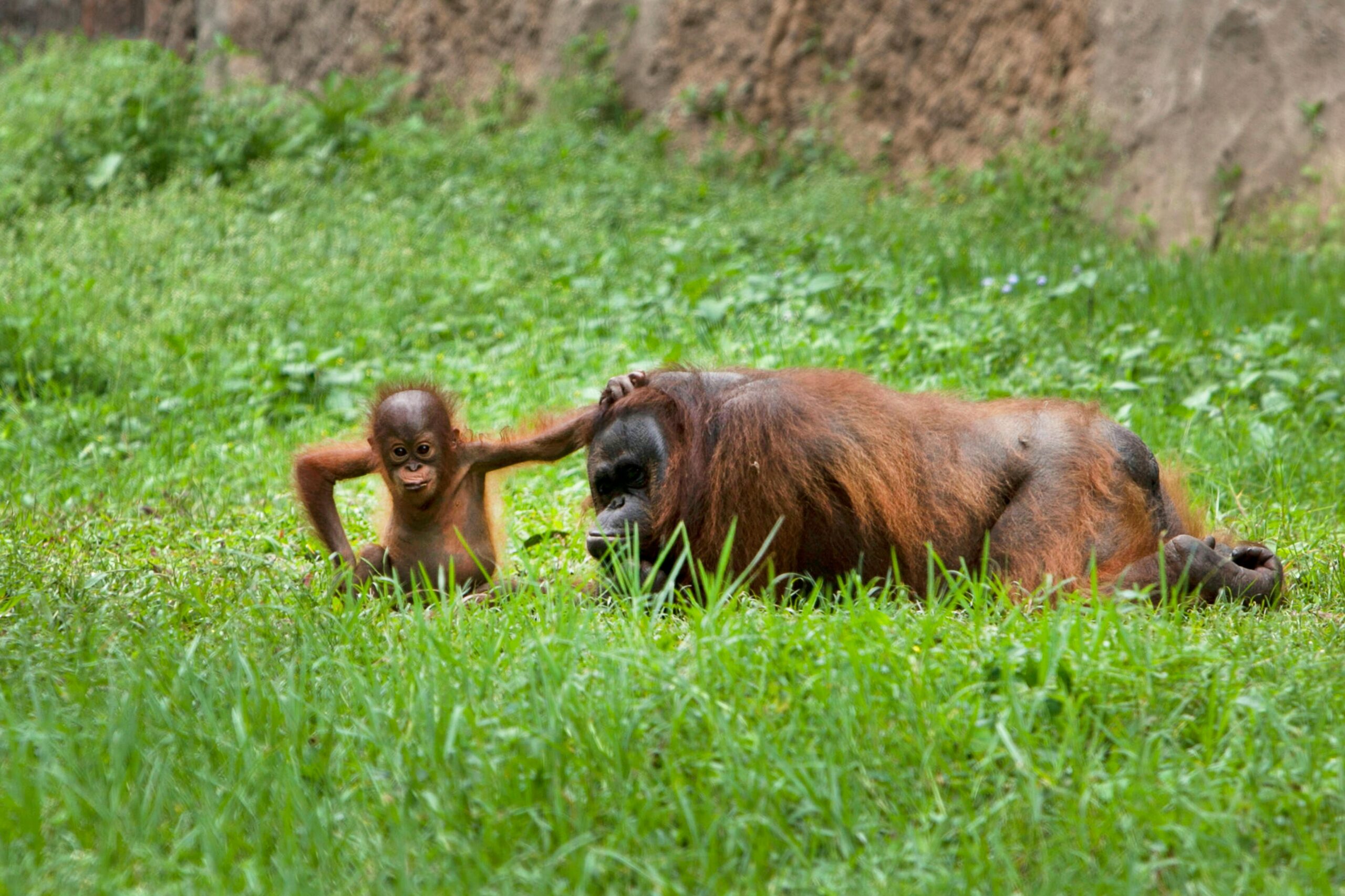
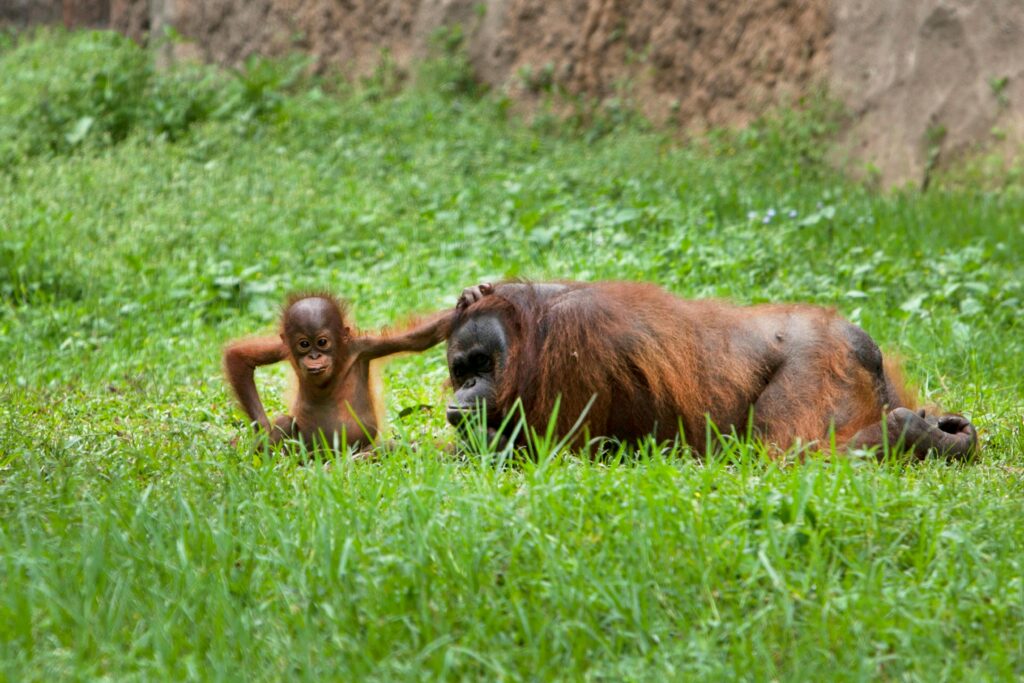
This habitat loss is one of the reasons the Bornean orangutan is now classified as endangered.
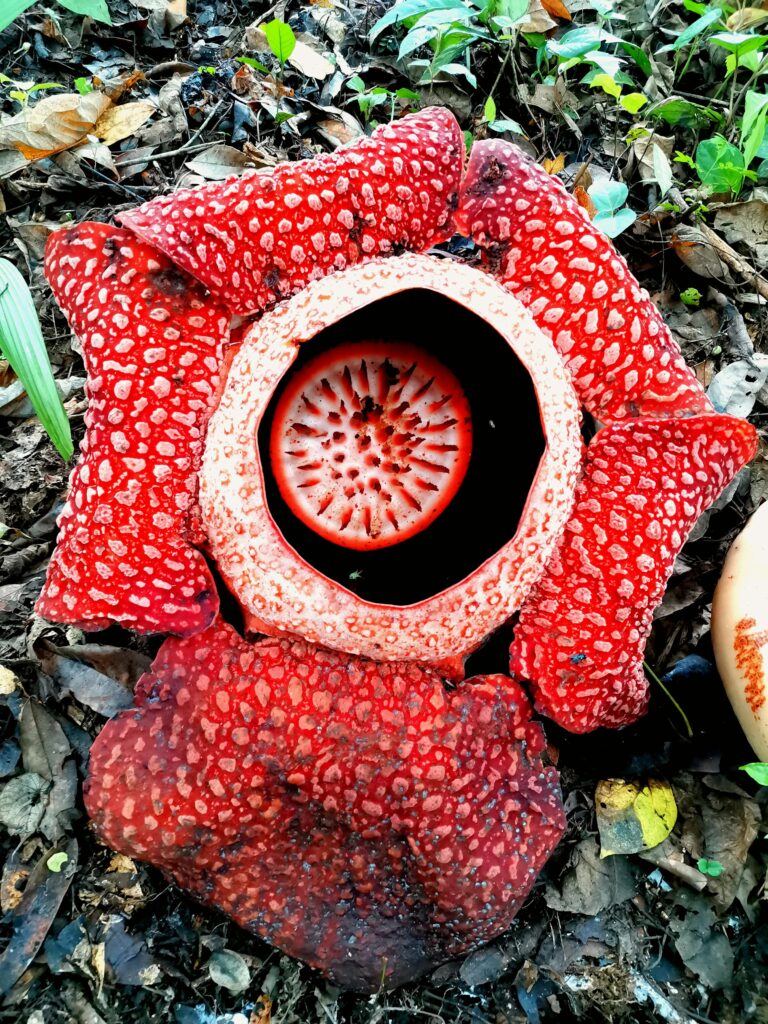
A Botanical Giant: Rafflesia Arnoldii
The island is home to roughly 15,000 plant species, including the world’s largest flower, Rafflesia arnoldii. Despite its impressive size, the flower is infamous for its odor—often compared to rotting flesh—which helps attract flies that act as pollinators.
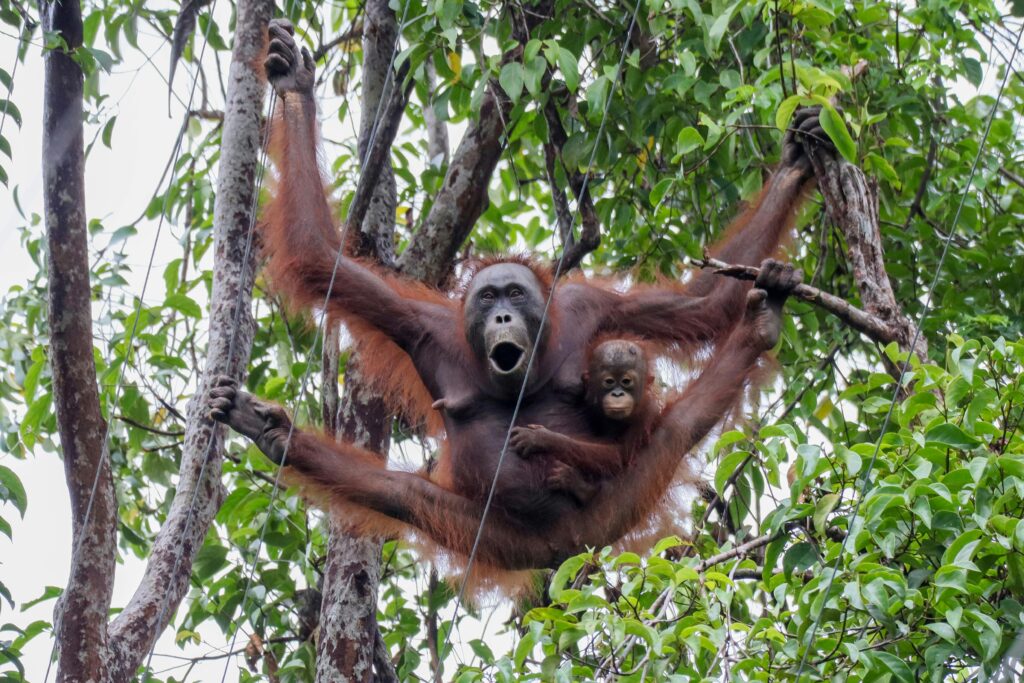
A Sanctuary for Wildlife
Borneo is one of the world’s most important regions for wildlife conservation.
Here you can find:
- Orangutans, the only great apes native to Asia
- Proboscis monkeys, known for their large, distinctive noses
- Pygmy elephants
- Clouded leopards
- Hundreds of bird species and thousands of insects
River safaris, especially along the Kinabatangan River, allow visitors to see crocodiles, monkeys, and rare birds along the dense rainforest banks.
Three Nations, One Island
Borneo is politically divided among three countries:
-
Indonesia (about 70% of the island)
-
Malaysia (the states of Sabah and Sarawak)
-
Brunei (around 1%)
This division contributes to the island’s cultural richness. Over 200 ethnic groups live here, speaking more than 50 languages.
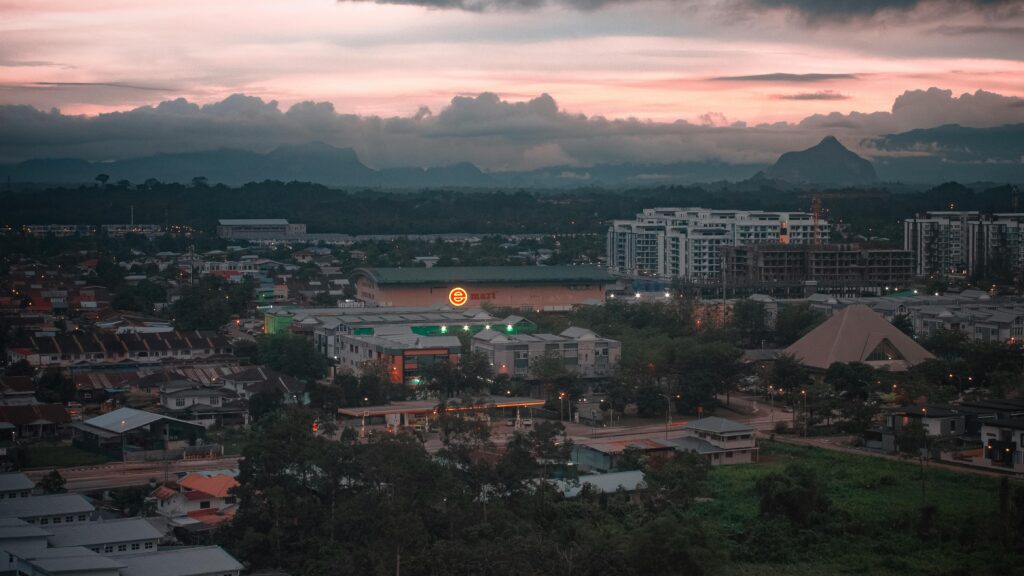
Kuching: A City for Cat Lovers
The capital of Sarawak, Kuching, is famously known as the “Cat City.” While the origin of the name is unclear, the city proudly embraces the feline theme with cat statues, a Cat Museum, and various cat-themed landmarks. Beyond its quirky identity, Kuching offers waterfront views, lively markets, and excellent local cuisine.
Caves With a 40,000-Year History
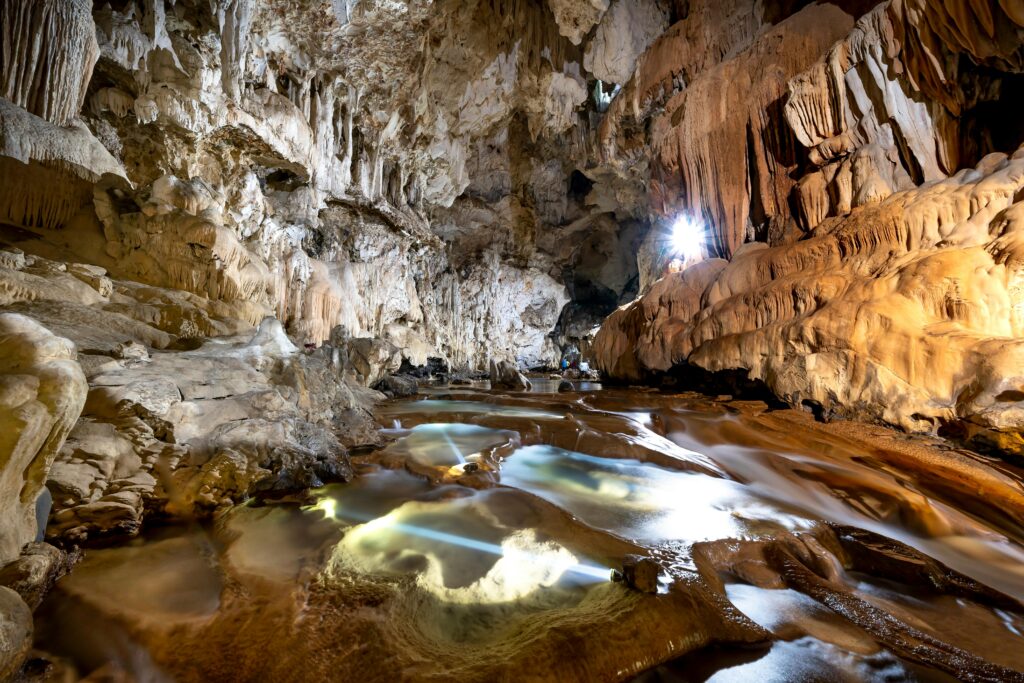
Human life on Borneo dates back tens of thousands of years. The Niah Caves in Sarawak contain artifacts, tools, and ancient paintings that indicate human habitation at least 40,000 years ago. Nearby Gunung Mulu National Park features dramatic limestone peaks and one of the world’s largest cave chambers, known as the Sarawak Chamber. This immense underground space stretches 600 meters long and up to 115 meters high.
Beaches and Underwater Wonders
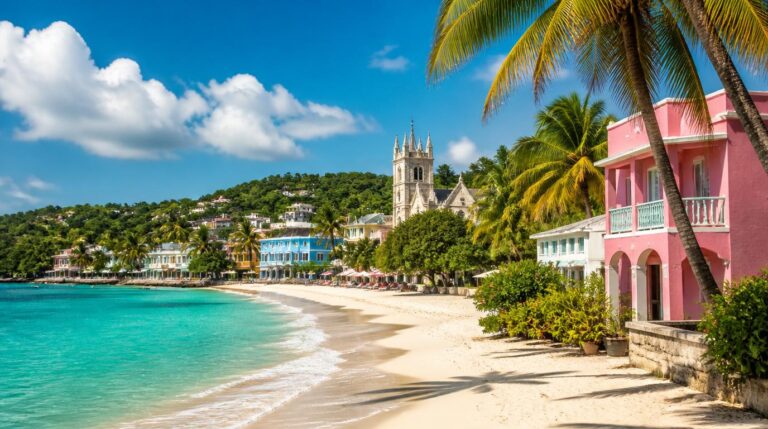
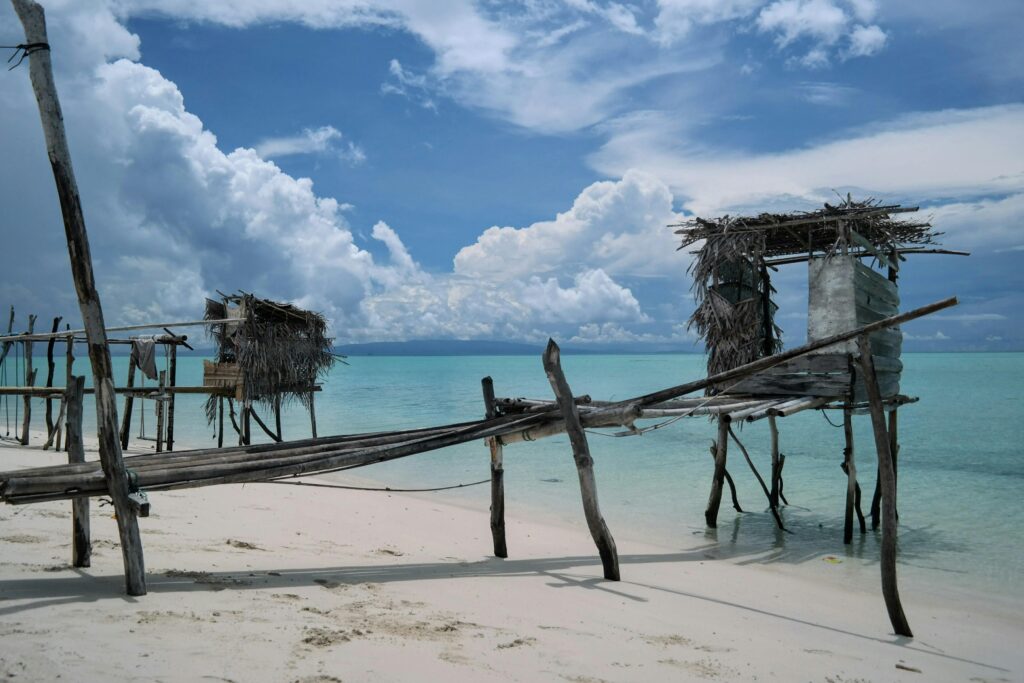
While much of Borneo’s coastline is lined with mangroves and peat swamp, parts of Sabah offer stunning beaches and extraordinary diving. Islands such as Sipadan, Mabul, and Lankayan are renowned for their clear waters, healthy reefs, and marine life that includes turtles, whale sharks, and schools of barracuda.
On Selingan Island, visitors can witness sea turtles laying eggs or even help release hatchlings into the ocean. The nesting season peaks between July and October.
Peat Swamps: A Hidden Ecosystem
Borneo’s peat swamps may not seem glamorous, but they are crucial ecosystems supporting freshwater fish, primates, and birds. Some swamps are over 11,000 years old. Unfortunately, many have been drained or burned to make way for plantations, releasing huge amounts of carbon into the atmosphere.
A Growing Center for Eco-Tourism
With such a wealth of natural beauty, Borneo has become a major destination for eco-travel. Activities like jungle trekking, kayaking, cycling, and snorkeling allow visitors to explore the island responsibly. Rehabilitation centers for orangutans and other wildlife rely heavily on tourism to fund conservation efforts.
A Paradise for Food Lovers
Borneo’s culinary scene reflects its cultural diversity. In Malaysian cities such as Kota Kinabalu and Kuching, visitors can enjoy laksa, roti, fresh seafood, and dishes from the indigenous Dayak communities—like chicken cooked in bamboo and stir-fried jungle ferns. Local rice wine is the perfect pairing.